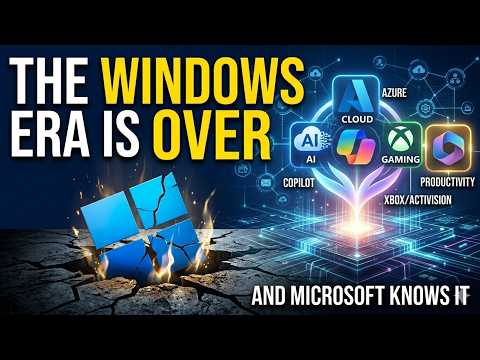
The Shift Beyond Windows: Understanding Microsoft’s New Direction
The world of technology is ever-evolving, and one of the most significant shifts in recent years is the move away from traditional desktop operating systems like Windows. Microsoft, the company behind Windows, has been at the forefront of this change, adapting its strategy to meet the new demands of the digital landscape.
The Rise of Cloud Computing
At the heart of this shift is the rise of cloud computing. Cloud services allow users to store, manage, and process data online, reducing the need for powerful local computers. This change has significant implications for how we work and interact with technology. Microsoft has been investing heavily in its Azure cloud platform, recognizing that the future of computing lies in the cloud.
- Scalability and Flexibility: Cloud computing offers unparalleled scalability and flexibility. Resources can be scaled up or down as needed, making it ideal for businesses and individuals with varying demands.
- Accessibility: Cloud services can be accessed from any device with an internet connection, making it possible to work from anywhere, at any time.
- Cost-Effectiveness: The cloud model reduces the need for upfront hardware investments, making technology more accessible and reducing costs for both individuals and organizations.
The Role of Microsoft 365
Microsoft 365 is a key part of Microsoft’s strategy beyond Windows. This suite of productivity applications, including Office, Outlook, and OneDrive, is designed to be cloud-first, allowing users to create, share, and collaborate on documents from anywhere. Microsoft 365 represents a shift towards software as a service (SaaS), where the focus is on providing continuous updates and improvements rather than periodic major releases.
Embracing Cross-Platform Compatibility
Another significant aspect of Microsoft’s new direction is its embrace of cross-platform compatibility. Recognizing that users work across different devices and operating systems, Microsoft has been developing its applications to work seamlessly across Windows, macOS, iOS, and Android. This approach ensures that users can work consistently, regardless of the device they choose.
Security in the New Era
As technology evolves, so do the threats. Microsoft has been enhancing its security offerings to protect users in this new landscape. Advanced threat protection, multi-factor authentication, and regular security updates are just a few of the measures being implemented to safeguard user data and privacy.
The Future of Windows
So, what does this mean for Windows? While Windows will continue to be supported and updated, its role is evolving. Windows 11, the latest iteration, is designed with a focus on security, simplicity, and compatibility, reflecting Microsoft’s broader strategy. The operating system is becoming just one part of a larger ecosystem of services and applications that Microsoft offers.
Conclusion
The era of Windows as the central focus of Microsoft’s strategy is indeed coming to an end, but this marks an exciting new chapter for the company and its users. With a focus on cloud computing, cross-platform compatibility, and continuous innovation, Microsoft is well-positioned to meet the evolving needs of the digital world. As users, we can look forward to more flexible, secure, and collaborative ways of working, whether that’s from a desktop, laptop, tablet, or smartphone.
Navigating the Change
For those looking to navigate this change, here are a few key takeaways:
- Adopt a Cloud-First Mindset: Consider how cloud services can enhance your productivity and flexibility.
- Explore Microsoft 365: If you haven’t already, look into what Microsoft 365 can offer for your productivity needs.
- Stay Updated: Keep your devices and software up to date to ensure you have the latest security patches and features.
By understanding and embracing these changes, we can all make the most of the opportunities that this new era of technology has to offer.