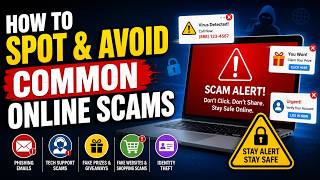
Introduction to Online Scams
The internet has become an essential part of our daily lives, and with its numerous benefits, it also comes with some risks. One of the most significant risks is online scams. These scams can lead to financial loss, identity theft, and damage to your reputation. In this article, we will discuss how to spot and avoid common online scams.
Types of Online Scams
There are several types of online scams, including:
- Phishing scams: These scams involve sending fake emails or messages that appear to be from a legitimate source, such as a bank or online retailer, in an attempt to obtain sensitive information.
- Online auction scams: These scams involve bidding on fake or non-existent items on online auction sites.
- Romance scams: These scams involve scamming people who are looking for love online.
- Work-from-home scams: These scams involve offering fake job opportunities that require you to pay a fee or provide sensitive information.
How to Spot Online Scams
To spot online scams, you need to be cautious and vigilant when using the internet. Here are some tips:
- Be wary of emails or messages that ask for sensitive information, such as passwords or financial information.
- Never click on links or download attachments from unknown sources.
- Research the company or individual before making a purchase or providing sensitive information.
- Use strong and unique passwords for all online accounts.
- Keep your operating system and software up-to-date with the latest security patches.
Red Flags of Online Scams
There are several red flags that can indicate an online scam. These include:
- Poor grammar and spelling in emails or messages.
- Unsolicited emails or messages that ask for sensitive information.
- Requests for payment via wire transfer or prepaid debit card.
- Lack of contact information, such as a physical address or phone number.
- Unsuspected pop-ups or ads on your computer or mobile device.
How to Avoid Online Scams
To avoid online scams, you need to be proactive and take steps to protect yourself. Here are some tips:
- Use two-factor authentication for all online accounts.
- Use a reputable antivirus program to protect your computer or mobile device from malware.
- Back up your data regularly to prevent loss in case of a scam.
- Use a virtual private network (VPN) when using public Wi-Fi.
- Report any suspicious activity to the relevant authorities.
What to Do If You Fall Victim to an Online Scam
If you fall victim to an online scam, there are several steps you can take to minimize the damage. These include:
- Contact your bank or financial institution immediately to report the incident.
- Change all your passwords and security questions.
- Monitor your credit report for any suspicious activity.
- Report the incident to the relevant authorities, such as the Federal Trade Commission (FTC).
- Consider seeking the help of a credit counseling agency to help you recover from the scam.
Conclusion
Online scams can be devastating, but there are steps you can take to protect yourself. By being cautious and vigilant when using the internet, you can spot and avoid common online scams. Remember to always research the company or individual before making a purchase or providing sensitive information, and never click on links or download attachments from unknown sources. With the right knowledge and precautions, you can stay safe online and avoid falling victim to online scams.