Cool Free PowerToys Tools to Use Every Day in Windows (2026)

Boost Your Windows Productivity with These Cool Free PowerToys Tools

Introduction to PowerToys PowerToys is a set of free, powerful tools developed by Microsoft to enhance the Windows user experience. These tools are designed to make your daily tasks easier, more efficient, and fun. In this article, we will explore some of the coolest free PowerToys tools that you can use every day in Windows. What are PowerToys? PowerToys are a collection of small, downloadable utilities that can be used to customize and streamline your Windows workflow. They are totally free, easy to install, and work seamlessly with your existing Windows setup. Whether you’re a beginner or an advanced user, PowerToys has something for everyone. ...

June 23, 2026
The Truth About Windows 12

Discover the Power of Windows 12: A Comprehensive Guide

Introduction to Windows 12 Windows 12 is the next generation of operating systems from Microsoft, designed to provide a seamless and intuitive user experience. With a fresh new look and a plethora of innovative features, Windows 12 aims to revolutionize the way we interact with our computers. What’s New in Windows 12 Enhanced Security: Windows 12 boasts robust security features, including advanced threat protection, data encryption, and secure boot mechanisms to safeguard your device and data. Improved Performance: With a revamped kernel and optimized system resources, Windows 12 promises faster startup times, responsive performance, and efficient battery life. Streamlined Interface: The new operating system features a minimalist design, with a clean and simple interface that makes it easy to navigate and find what you need. Enhanced Multitasking: Windows 12 introduces new multitasking features, including improved window management, enhanced snap assist, and a more intuitive taskbar. System Requirements To run Windows 12, your device will need to meet the following system requirements: ...

June 18, 2026
Don’t Delete Windows.old Until You Watch This!

Don't Delete Windows.old Until You Read This

Introduction to Windows.old The Windows.old folder is a leftover from a previous Windows installation, and it can take up a significant amount of space on your computer. When you upgrade to a new version of Windows, the old operating system is moved to the Windows.old folder, allowing you to access your old files and settings if needed. What is Windows.old? The Windows.old folder contains the old Windows operating system, including all system files, settings, and installed programs. This folder is usually created when you upgrade to a new version of Windows, and it can be several gigabytes in size. The Windows.old folder is a safety net, allowing you to revert to your previous Windows installation if something goes wrong with the new version. Why You Shouldn’t Delete Windows.old Immediately While it may be tempting to delete the Windows.old folder to free up space on your computer, it’s not recommended to do so immediately. Here are a few reasons why: ...

June 15, 2026
Don't Reinstall Windows Without Doing THIS First

Don't Reinstall Windows Without Doing These Essential Steps First

## Don't Reinstall Windows Without Doing THIS First Reinstalling Windows can be a daunting task, especially if you're not sure what you're doing. It's a process that can take several hours, and if done incorrectly, can result in lost files, corrupted systems, and even hardware damage. In this post, we'll cover the essential steps to take before reinstalling Windows, to ensure a smooth and successful process. ### Back Up Your Files - Documents - Pictures - Videos - Music The first and most important step is to back up your files. This includes all your documents, pictures, videos, music, and any other important data you have on your computer. You can use an external hard drive, USB drive, or cloud storage services like Google Drive, Dropbox, or OneDrive to back up your files. ### Deactivate Your Software - Microsoft Office - Adobe Creative Cloud - Antivirus software Before reinstalling Windows, make sure to deactivate any software that requires a license key. This includes Microsoft Office, Adobe Creative Cloud, and antivirus software. This will ensure that you can reactivate the software after reinstalling Windows. ### Note Down Your Product Keys - Windows product key - Microsoft Office product key - Antivirus software product key Make a note of your product keys for Windows, Microsoft Office, and any other software that requires a license key. You'll need these keys to reactivate the software after reinstalling Windows. ### Create a Recovery Drive A recovery drive is a USB drive that contains the files and tools needed to repair and restore Windows. Creating a recovery drive can help you troubleshoot and fix problems with your computer, even if Windows won't start. ### Disable Any BitLocker Encryption If you have BitLocker encryption enabled on your computer, make sure to disable it before reinstalling Windows. BitLocker encryption can prevent you from accessing your files and data, so it's essential to disable it before reinstalling. ### Unplug Any External Devices - USB drives - Printers - Scanners Finally, unplug any external devices from your computer, including USB drives, printers, and scanners. This will prevent any potential conflicts or problems during the reinstall process. ## Conclusion Reinstalling Windows can be a complex process, but by following these essential steps, you can ensure a smooth and successful experience. Remember to back up your files, deactivate your software, note down your product keys, create a recovery drive, disable any BitLocker encryption, and unplug any external devices. By taking these precautions, you can protect your data, prevent potential problems, and get your computer up and running quickly and efficiently.

June 14, 2026
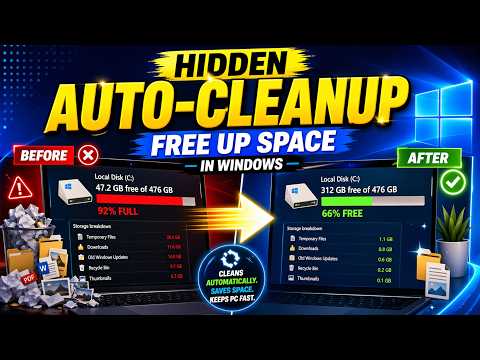
Enable this FREE Auto-Cleanup Feature Hidden in Windows Right Now!

Enable the Free Auto-Cleanup Feature in Windows to Boost Performance

Introduction to Auto-Cleanup in Windows Keeping your computer clean and organized is crucial for maintaining its performance and ensuring you have enough storage space. Over time, your computer accumulates temporary files, system files, and other items you don’t need. Luckily, Windows has a built-in feature to help you with this task. What is Auto-Cleanup? Auto-Cleanup is a feature in Windows that automatically deletes unnecessary files from your computer, freeing up space and helping your computer run more smoothly. This feature is part of the Disk Cleanup tool, which has been available in Windows for many years. ...

June 11, 2026
Disable these Windows Settings that Secretly Spy on You!

Enhance Your Privacy: Disable These Windows Settings Now

Introduction to Windows Settings Windows operating systems are widely used across the globe, and while they offer numerous features to enhance user experience, some of these features might compromise user privacy. This guide aims to help you understand which Windows settings could be secretly spying on you and how to disable them to protect your privacy. Understanding Windows Tracking Windows tracks user activity to provide personalized experiences, such as suggestions, ads, and improved system performance. However, this tracking can also raise concerns about data privacy. Knowing which settings to adjust can help you balance convenience with privacy. ...

June 10, 2026
16 Free Windows Apps You Should Install Right Now! (2026)

Essential Free Windows Apps for Everyday Users in 2026

Introduction to Essential Windows Apps As a Windows user, you’re likely no stranger to the plethora of applications available for download. With so many options, it can be daunting to figure out which ones are truly essential. In this post, we’ll explore 16 free Windows apps that you should consider installing right now to enhance your computing experience. Productivity and Organization Microsoft To Do: A task management tool that helps you stay organized and focused on your daily goals. Evernote: A note-taking app that allows you to jot down ideas, sync them across devices, and even organize them with tags and notebooks. Trello: A project management tool that uses boards, lists, and cards to help you visualize and manage your tasks and projects. Security and Privacy Avast Free Antivirus: A robust antivirus program that protects your computer from malware, viruses, and other online threats. Malwarebytes: A complementary tool to your antivirus software, specializing in detecting and removing malicious software. 7-Zip: A file archiver that also provides encryption capabilities to keep your files secure. Multimedia and Entertainment VLC Media Player: A versatile media player that can play virtually any video or audio file format. GIMP: A free and powerful image editing software that rivals Adobe Photoshop in many aspects. Audacity: A digital audio workstation that allows you to record, edit, and mix audio files. Utilities and Tools CCleaner: A system optimization tool that cleans up temporary files, registry entries, and other items you don’t need. Defraggler: A disk defragmentation tool that helps improve your hard drive’s performance. CPU-Z: A tool that provides detailed information about your CPU, including its specifications and performance metrics. GPU-Z: Similar to CPU-Z, but for your graphics card, providing insights into its model, memory, and performance. Browsers and Communication Google Chrome: One of the most popular web browsers, known for its speed, security, and extensive library of extensions. Mozilla Firefox: Another highly regarded browser that prioritizes privacy and offers a wide range of customization options. Skype: A communication platform that enables voice, video, and text conversations with individuals or groups. Conclusion These 16 free Windows apps are designed to make your computing experience more efficient, secure, and enjoyable. From staying organized and protected to enhancing your multimedia capabilities, there’s an app on this list for nearly every need. Whether you’re a casual user or a power user, installing these apps can significantly improve how you interact with your Windows system. ...

June 9, 2026
Windows Firewall: The ONLY Settings You Actually Need

Essential Windows Firewall Settings for Maximum Security

Introduction to Windows Firewall Windows Firewall is a built-in security feature in Windows operating systems that helps protect your computer from unauthorized access and malicious software. It acts as a barrier between your computer and the internet, controlling incoming and outgoing network traffic. In this article, we will explore the essential settings you need to configure in Windows Firewall to keep your computer secure. Understanding Windows Firewall Settings Windows Firewall has two main profiles: Private and Public. The Private profile is used when your computer is connected to a private network, such as your home network, while the Public profile is used when your computer is connected to a public network, such as a coffee shop or airport Wi-Fi. ...

June 8, 2026

Fix Microsoft Sign In Failures After Latest Patch Update

Microsoft’s Latest Patch Triggers Widespread Sign In Failures Microsoft recently released a patch aimed at enhancing security and performance. However, this update has unexpectedly caused widespread sign-in failures for many users. If you are among those affected, this guide will walk you through the steps to resolve the issue and get back to using your Microsoft services without interruptions. Understanding the Issue The sign-in failures are primarily due to compatibility issues between the latest patch and certain system configurations. This has resulted in users being unable to access their Microsoft accounts, including Outlook, Office, and other related services. ...

June 6, 2026